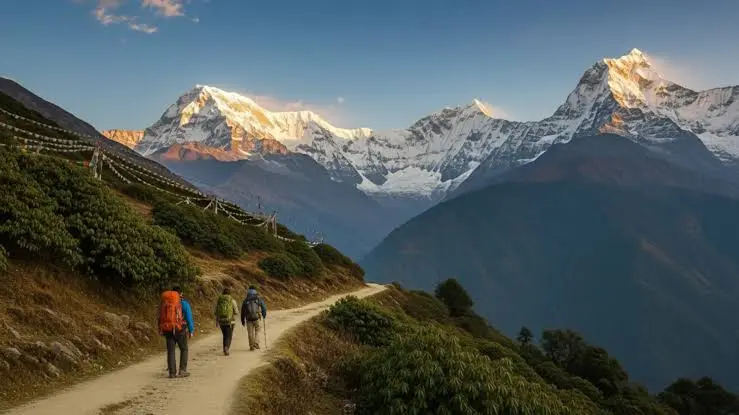
Nepal is one of the best destinations for trekking, offering beautiful mountain views, peaceful trails, traditional villages, and unique cultural experiences. From the scenic hills around Kathmandu to the breathtaking Himalayan landscapes, there are trekking routes for people with different fitness levels and experience. Planning your first trek in Nepal can feel exciting, but it also requires some preparation.
Choosing the right route, packing suitable gear, building your fitness, and understanding mountain safety can help you enjoy the journey with confidence. Whether you are planning a short hike or a multi-day mountain adventure, proper preparation will help make your first trek in Nepal a safe and memorable experience. Here are some practical tips to help you prepare.
1. Choose the Right Trekking Route
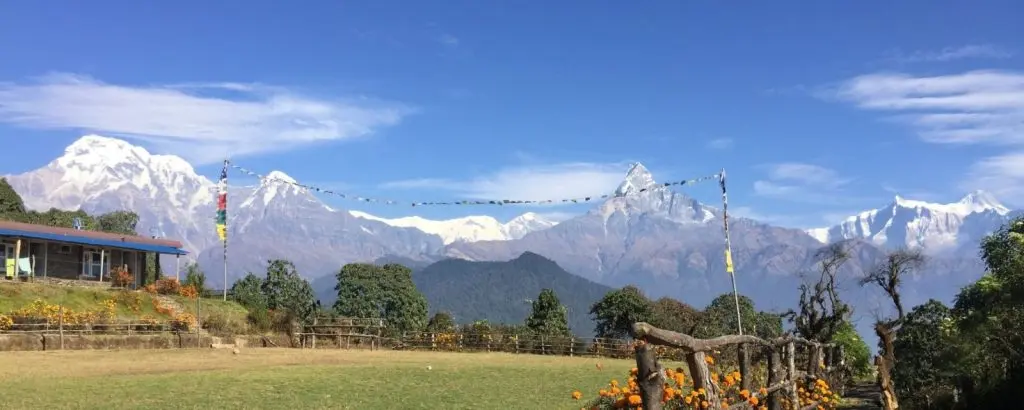
Selecting a suitable route is the first step in planning your first trek in Nepal. The country offers numerous trekking options, ranging from easy day hikes to challenging high-altitude journeys.
If you are a beginner, look for a route with manageable walking hours, suitable accommodation, and an elevation gain that matches your experience.
Some popular options include:
- Ghorepani Poon Hill Trek: Famous for sunrise views of the Annapurna and Dhaulagiri mountain ranges.
- Langtang Valley Trek: Offers beautiful mountain scenery, forest trails, and traditional Tamang villages.
- Australian Camp Trek: A shorter trekking option near Pokhara with panoramic mountain views.
- Ghandruk Village Trek: Ideal for experiencing traditional Gurung culture, mountain scenery, and village life.
Before choosing a destination, consider your available time, fitness level, budget, and preferred difficulty. Starting with a shorter route can help you gain experience before attempting longer or higher-altitude treks.
2. Improve Your Fitness Before Departure
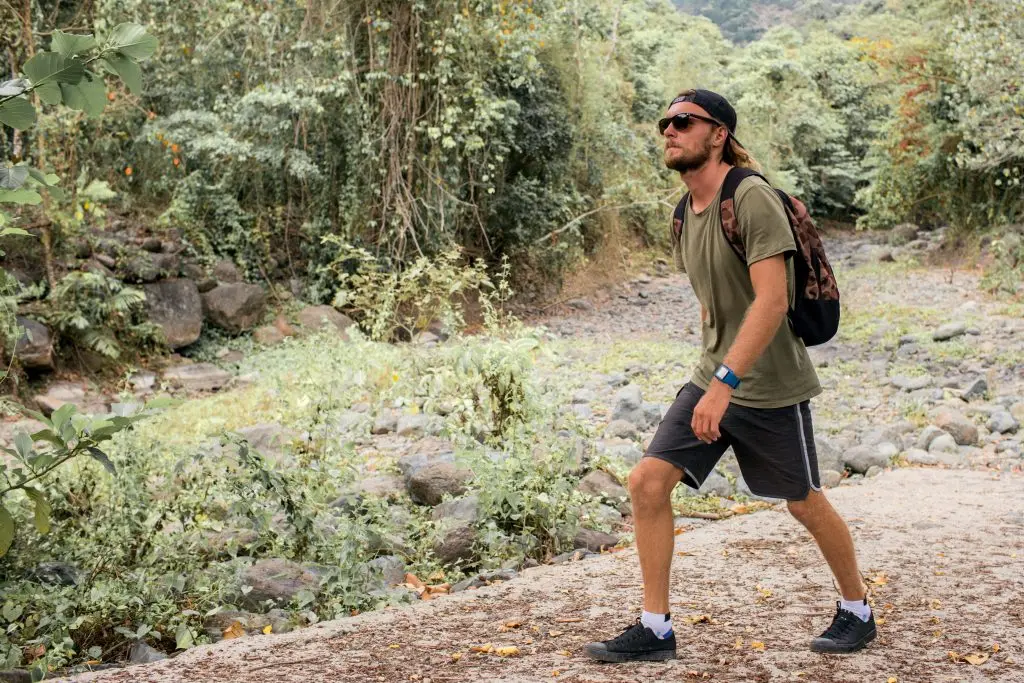
Trekking often involves walking for several hours a day on steep, rocky, and uneven trails. Preparing your body in advance can make the experience more comfortable and help you manage physical fatigue.
Start training a few weeks before your trip with simple activities such as:
- Walking for 30–60 minutes regularly.
- Hiking on local trails with gradual elevation.
- Climbing stairs to improve stamina and leg strength.
- Practicing with a backpack similar to the one you will carry.
- Doing basic exercises such as squats and lunges.
You do not need to follow an intense workout routine. Consistent practice can help you build endurance and become more comfortable with long walking days.
3. Pack the Essential Trekking Gear
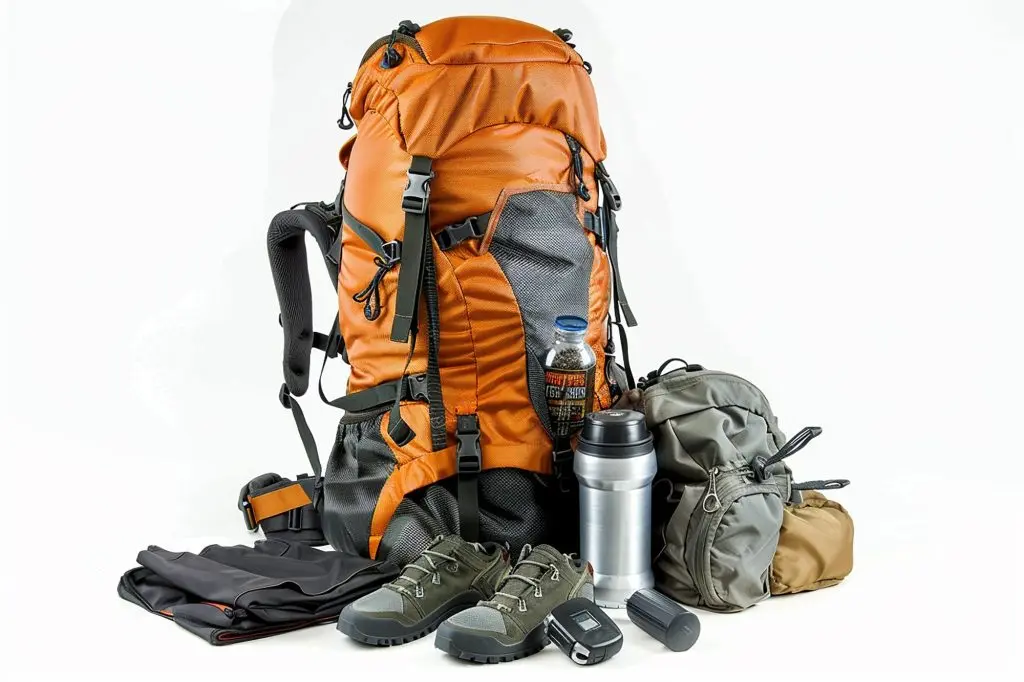
Having the right equipment can make a significant difference to your comfort and safety on the trail. However, carrying unnecessary items can make walking more tiring.
Use this checklist when preparing for your first trek in Nepal.
Clothing
- Moisture-wicking shirts and trekking trousers.
- Warm fleece or insulating layers.
- A waterproof and wind-resistant jacket.
- Thermal wear for colder conditions.
- Extra socks and underwear.
- A warm hat, gloves, and sunglasses.
Footwear
- Comfortable trekking shoes with good grip.
- Suitable socks to reduce friction and blisters.
- Lightweight sandals or shoes for your accommodation.
Other essentials
- A comfortable backpack with a rain cover.
- A reusable water bottle.
- Sunscreen and lip balm.
- A headlamp or torch.
- Personal medication and a basic first-aid kit.
- Toiletries and a quick-drying towel.
- A power bank and charging cables.
- Identification documents and relevant permits.
Your packing list should reflect the season, route, and expected altitude. Check the weather before leaving and avoid carrying items you are unlikely to need.
4. Learn About Altitude Sickness and Insurance
Altitude sickness is a risk when trekking at high elevations in Nepal, especially above 2,500 metres. Common symptoms include headaches, nausea, dizziness, vomiting, and fatigue. To reduce the risk, ascend gradually, allow time for acclimatisation, drink enough water, eat regular meals, and avoid alcohol. If you develop symptoms, inform your guide and do not ascend further. Severe symptoms, such as difficulty walking straight, confusion, or breathlessness at rest, require immediate descent and urgent medical assistance.
Travel insurance is also important when trekking in Nepal, as many routes pass through remote areas with limited medical facilities. Choose a policy that specifically covers high-altitude trekking, emergency medical treatment, and helicopter evacuation at the maximum elevation of your planned route. Check the policy exclusions and coverage limits before your trip, as standard travel insurance may not cover every trekking activity or altitude. Helicopter evacuation can be expensive, so having suitable coverage can help protect you from unexpected costs.
For more information, read the CDC’s guidance on high-altitude travel and altitude illness.
5. Plan Your Trekking Budget
Planning your budget in advance helps you avoid unexpected expenses during your trip. The overall cost depends on the route, trip duration, accommodation, meals, transport, and whether you hire a guide or porter.
Your budget may include:
- Transportation to and from the trekking starting point.
- Accommodation and meals along the trail.
- Trekking permits and applicable fees.
- Guide or porter services.
- Trekking clothing and equipment.
- Travel insurance covering your intended altitude and activities.
- Emergency funds for unexpected delays or changes.
If you do not own trekking equipment, renting suitable gear can be more affordable than buying everything for a single trip.
Keep some extra money available for emergencies, weather-related delays, or changes to your itinerary.
6. Arrange Accommodation and Transportation
Planning accommodation and transportation can make your journey smoother, particularly during busy trekking seasons.
Research how to reach the starting point of your chosen route. Depending on the destination, you may need to travel by bus, private vehicle, or domestic flight. Allow extra time for possible transport delays, especially if your itinerary includes a flight to a mountain airport.
Many established trekking routes have teahouses or lodges where trekkers can eat and sleep. Facilities vary between locations, and rooms may be limited during peak seasons.
If you are trekking independently, research the route, daily walking distances, and available accommodation before leaving. Beginners may benefit from travelling with an experienced guide or joining an organised trekking group.
7. Respect Local Culture
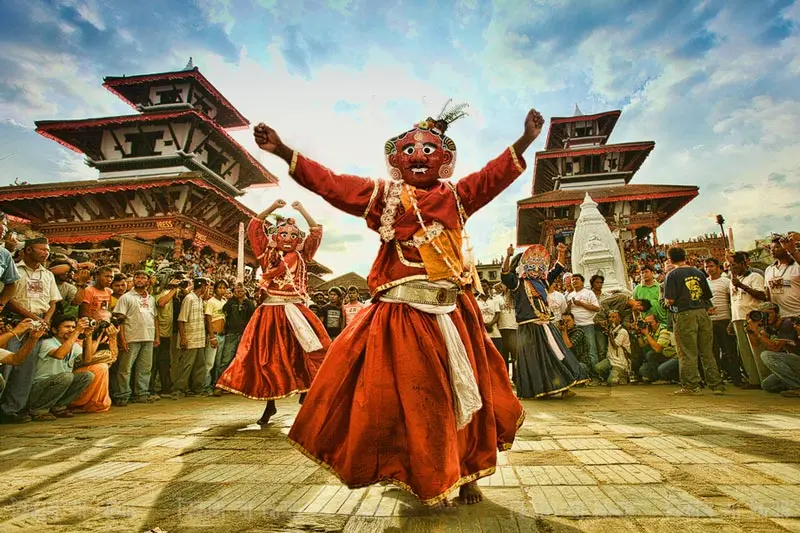
Trekking in Nepal is not only about mountain scenery. It also gives you the opportunity to experience local communities, traditions, and ways of life.
When visiting villages, monasteries, temples, and other cultural sites, respect local customs. Ask permission before photographing people, dress appropriately at religious places, and follow any instructions provided by local communities.
Learning a few basic Nepali phrases can make your trekking experience more enjoyable and help you connect with local people along the trail. Start with simple greetings such as “Namaste,” which means hello, and “Dhanyabad,” which means thank you. Although “Dhanyabad” is a polite expression, you may hear different ways of expressing gratitude in everyday conversations. You can learn a few more phrases before your trip, and your trekking guide can also help you communicate with local communities along the way.
Final Thoughts
Preparing for your first trek in Nepal does not have to be complicated. Choose a route that suits your experience, build your fitness gradually, pack suitable equipment, and understand the weather, permits, and altitude risks before setting off.
Give yourself enough time to enjoy the journey instead of focusing only on reaching the destination. Take breaks, appreciate the mountain scenery, connect with local communities, and listen to your body.
With thoughtful planning and a responsible approach, your first trekking adventure can become a memorable experience. Visit Navigate Outdoor to explore trekking routes and plan your next adventure in Nepal.