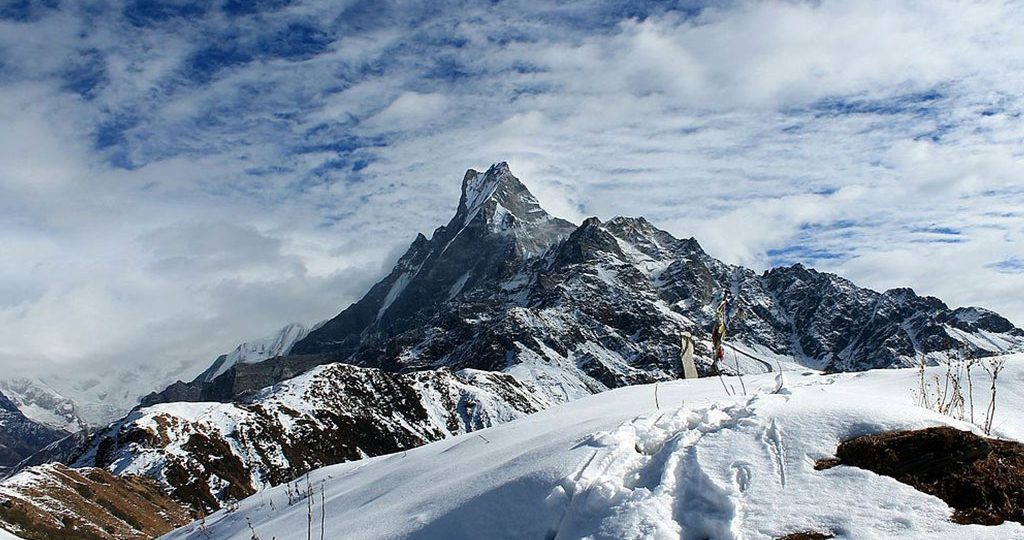
Winter offers a different perspective on trekking in Nepal, with snow-dusted mountain peaks, quiet villages, and stunning Himalayan scenery. Trekking in Nepal during winter can be a rewarding experience for travelers who enjoy peaceful trails and crisp mountain air. From scenic viewpoints to traditional mountain settlements, the season offers plenty of opportunities to explore Nepal’s natural beauty and local culture.
However, winter conditions can make trekking more challenging than expected. Frozen paths, changing weather, and limited daylight require thoughtful preparation. Knowing what to do and what to avoid before heading into the mountains can help you enjoy your trek while making responsible decisions along the way.
Dos: Make the Most of Your Winter Trek
1. Research Seasonal Trail Conditions
Before choosing your trekking destination, find out whether the route is suitable for winter travel. Snowfall can block mountain passes, while some teahouses and facilities may close during quieter months. Check recent trail reports and speak with local trekking agencies to understand what to expect. You can also consult the Nepal Tourism Board’s official trekking information for guidance on trekking regions, permits, and protected areas.
2. Book Accommodation Before Setting Off
Although some trekking regions receive fewer visitors in winter, accommodation options can also be limited. Contact teahouses in advance, particularly if your itinerary includes remote villages or higher elevations. Confirming overnight stops helps you plan realistic walking distances and avoid arriving somewhere with no available rooms.
3. Learn How to Recognise Cold-Related Problems
Pay attention to persistent numbness, unusual skin discoloration, uncontrollable shivering, or confusion. These can indicate serious cold-related conditions that require prompt attention. Keep yourself warm, change out of wet clothing, and seek help if symptoms develop. Understanding these warning signs is especially important when trekking far from medical facilities.
4. Protect Your Sleeping Gear at Night
Mountain temperatures can fall significantly after sunset. Store your sleeping bag, spare clothing, and other essential equipment somewhere dry and protected from freezing conditions. Make sure your sleeping bag is suitable for the lowest temperatures expected on your route, particularly if you plan to stay overnight at higher elevations.
5. Keep Important Items Within Easy Reach
Pack frequently used items, including snacks, a headlamp, navigation tools, gloves, and a first-aid kit, where you can access them without unpacking your entire bag. Carry extra batteries and keep electronic devices insulated from the cold. Being organised saves time and makes it easier to respond when conditions change.
6. Follow Responsible Trekking Practices
Winter trekking is an opportunity to experience local communities and natural landscapes at a quieter time of year. Ask permission before photographing people, respect local customs, and follow designated trails. Carry your rubbish until you find an appropriate disposal point, and avoid disturbing wildlife in its natural habitat.
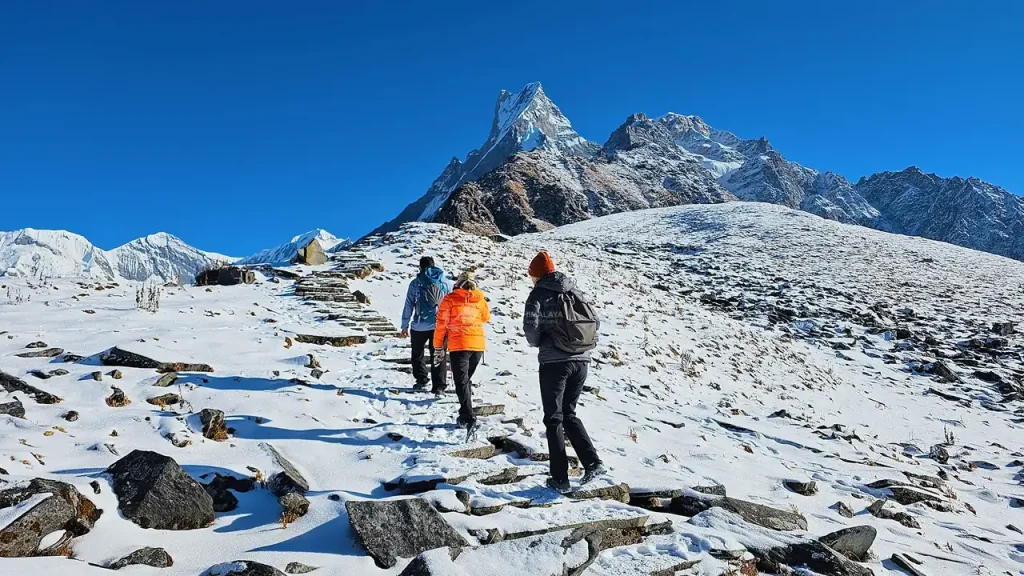
Don’ts: Avoid These Winter Trekking Mistakes
1. Don’t Set an Unrealistic Daily Schedule
Trying to cover too much distance in winter can leave you walking after dark or rushing through difficult sections. Snow and ice may slow your progress considerably. Plan manageable daily stages, allow extra time for breaks, and choose overnight stops based on current trail conditions rather than distance alone.
2. Don’t Wear Cotton as Your Main Trekking Layer
Cotton absorbs moisture and dries slowly, which can leave you feeling cold when temperatures drop. Choose moisture-wicking base layers and insulating clothing instead. Keep a dry set of clothes for the evening, and change out of damp garments as soon as practical.
3. Don’t Cross Snow-Covered Terrain Without Assessing the Risks
Fresh snow can conceal uneven ground, loose rocks, icy sections, and potentially unstable slopes. Avoid crossing unfamiliar snow bridges, steep snowfields, or avalanche-prone areas without appropriate knowledge and guidance. If a section looks unsafe, do not attempt it simply to stay on schedule. Follow local advice and turn back when necessary.
4. Don’t Assume Every Trekking Facility Will Be Open
Some remote lodges, restaurants, and seasonal services operate on reduced schedules during winter. Depending on the region, you may find fewer meal options or longer distances between available accommodation. Confirm essential services before departure and carry sufficient food, water, and emergency supplies for your planned route.
5. Don’t Ignore Official Warnings or Local Restrictions
Weather alerts, trail closures, and restrictions on mountain passes are intended to reduce risks. Never disregard them because you have already booked your trek or travelled a long distance to reach the starting point. Check for updated information and be willing to change your plans when authorities or experienced local guides advise against continuing.
6. Don’t Leave Your Safety Entirely to Technology
GPS devices and mobile applications can help with navigation, but batteries may drain quickly in cold weather, and mobile coverage is not guaranteed in remote areas. Learn the basics of route navigation, carry an offline map, and bring a backup power source. When travelling through unfamiliar or hazardous terrain, consider hiring a qualified local guide.
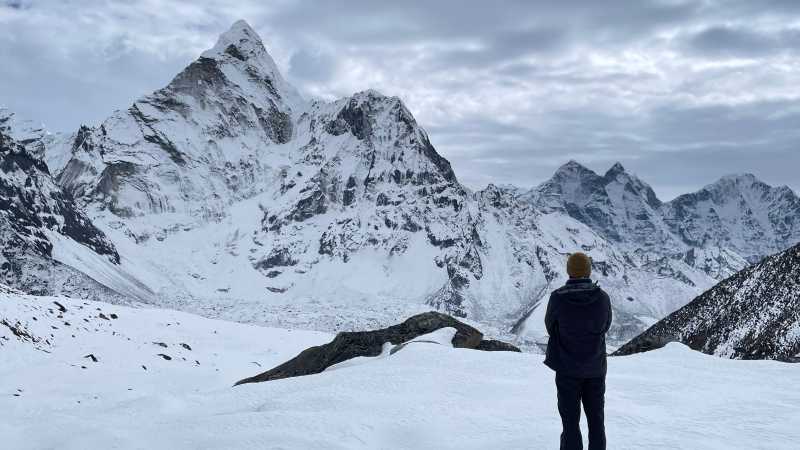
Prepare Well for Your Winter Trek in Nepal
Winter trekking in Nepal can offer remarkable mountain scenery and a more peaceful experience on many trails. However, a successful journey depends on more than warm clothing and a good itinerary. Understanding seasonal conditions, recognising potential hazards, and making sensible decisions are equally important.
Before setting out, research your route, prepare for overnight temperatures, and remain flexible when the weather changes. Most importantly, do not let the desire to reach a destination outweigh your safety. With thoughtful preparation and respect for the mountains, trekking in Nepal during winter can be an unforgettable adventure filled with breathtaking landscapes and memorable experiences.
Ready for Your Winter Trek in Nepal?
At Navigate Outdoor, we help you experience the beauty of the Himalayas through memorable trekking adventures. Our experienced local guides bring valuable knowledge of Nepal’s trails, culture, and mountain conditions to help you plan your journey.
Whether you’re dreaming of snow-covered landscapes, peaceful mountain villages, or breathtaking Himalayan views, we’re here to help you plan an adventure that suits your interests and experience.
Ready to start your adventure? Visit Navigate Outdoor to explore our trekking experiences and book your next Himalayan adventure. Let your next journey through Nepal’s mountains become a memory worth sharing.