

Trekking in Nepal is a dream for adventurers around the world. From the mighty Everest region to the peaceful trails of Annapurna and Langtang, Nepal offers unmatched mountain beauty, rich culture, and unforgettable experiences. However, for first‑time trekkers, preparation is everything. Knowing what to expect can turn a challenging trek into a safe and rewarding journey.
This guide covers the top 10 things every first‑time trekker should know before trekking in Nepal, helping you stay prepared, confident, and comfortable on the trail.
1. Choose the Right Trek for Your Fitness Level
Not all treks in Nepal are extreme. While Everest Base Camp is famous, beginners may enjoy routes like Ghorepani Poon Hill or Langtang Valley. When trekking in Nepal for the first time, always match the trek difficulty with your fitness level.
Tip: Start with shorter treks before attempting high‑altitude routes.
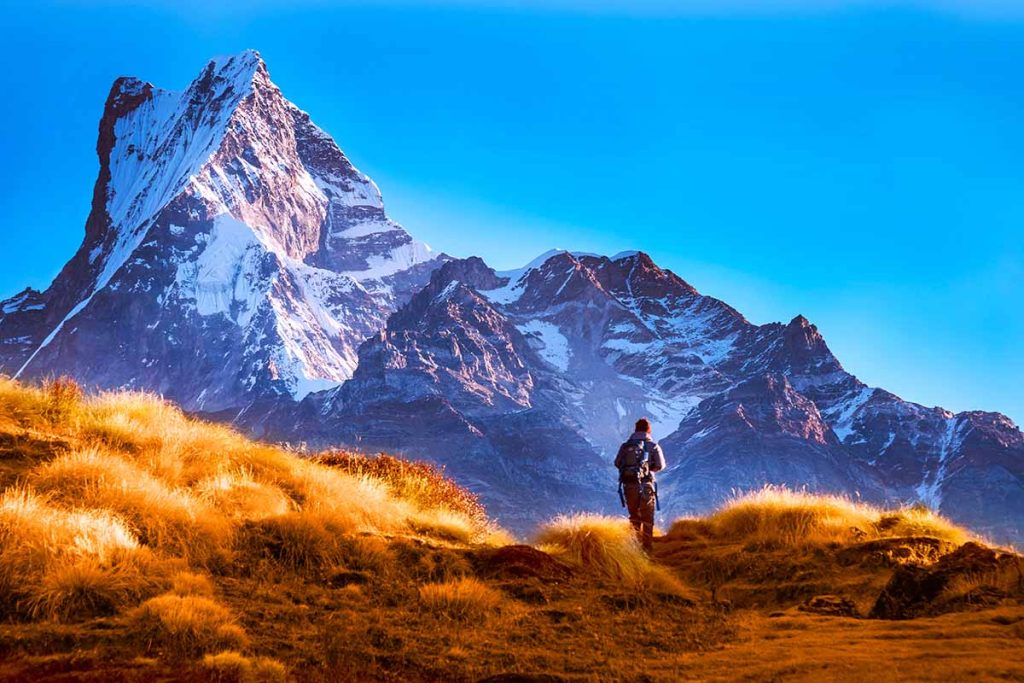
2. Altitude Sickness Is Real

One of the most important things to understand about trekking in Nepal is altitude sickness. Even fit trekkers can be affected if they ascend too quickly.
Key precautions:
- Ascend slowly
- Stay hydrated
- Include acclimatization days
- Avoid alcohol at high altitude
3. Best Time for Trekking in Nepal
The best seasons for trekking in Nepal are:
- Spring (March–May) – clear skies and blooming rhododendrons
- Autumn (September–November) – stable weather and excellent visibility
Avoid monsoon season unless you choose rain‑shadow areas like Upper Mustang.
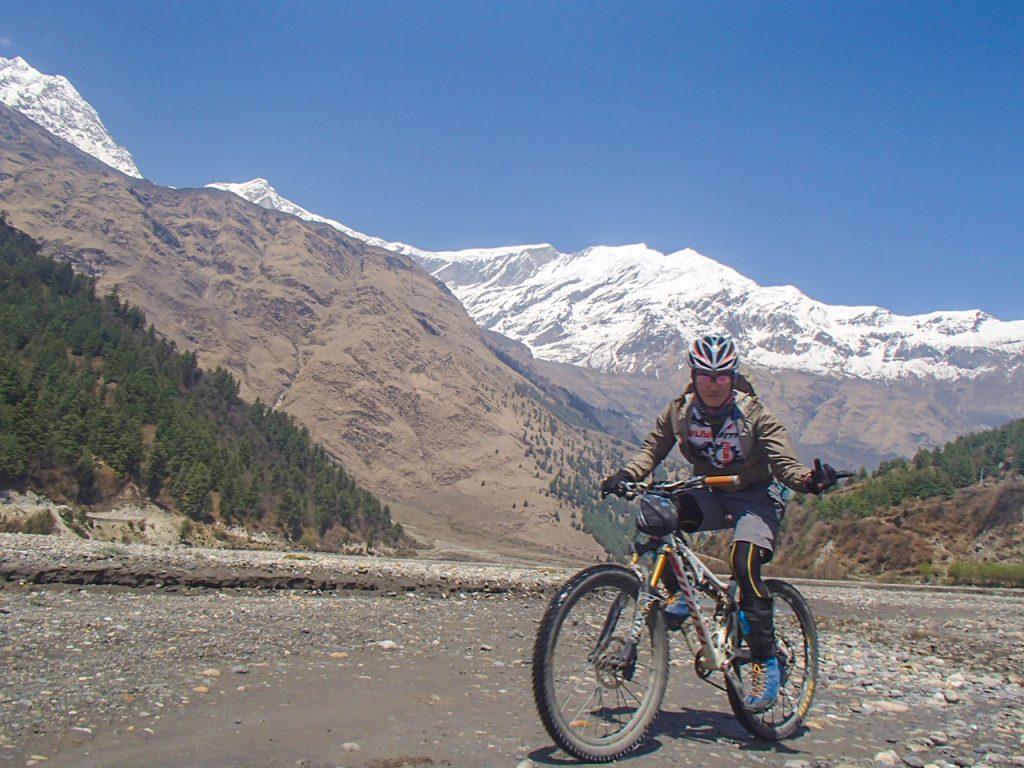
4. Pack Smart, Not Heavy
Overpacking is a common mistake. When trekking in Nepal, lightweight and functional gear matters more than quantity.
Essential items include:
- Good trekking boots
- Layered clothing
- Sleeping bag
- Sunscreen and sunglasses
- Reusable water bottle

5. Permits Are Mandatory
Most trekking routes in Nepal require permits such as:
- TIMS Card
- National Park or Conservation Area permits
Make sure permits are arranged before starting your trek. Many trekking agencies can help with this.
6. Hire a Guide or Porter (Highly Recommended)
For first‑time trekkers, hiring a licensed guide enhances safety and enriches your experience. A porter helps reduce physical strain, making trekking in Nepal more enjoyable.

7. Accommodation Is Basic but Comfortable
Teahouse trekking is common in Nepal. Rooms are simple, usually with twin beds and shared bathrooms. As you go higher, facilities become more basic.
Tip: Carry cash, as ATMs are rare on trekking routes.
8. Food Choices Are Limited at High Altitude
While trekking in Nepal, food menus become simpler as altitude increases. Dal Bhat (rice, lentils, vegetables) is the most reliable and energy‑giving meal.
Avoid raw foods and drink only boiled or purified water.
9. Internet and Charging Are Not Guaranteed
Do not rely on constant connectivity while trekking in Nepal. Wi‑Fi and charging facilities may cost extra and can be unreliable.
Recommendation: Carry a power bank and inform family in advance.
10. Respect Local Culture and Nature
Nepal is culturally rich and spiritually significant. When trekking in Nepal:
- Dress modestly
- Ask before taking photos
- Follow Leave No Trace principles
Respecting local customs enhances your trekking experience and supports sustainable tourism.
Conclusion
Trekking in Nepal is not just a physical journey—it’s a cultural and spiritual adventure. With the right preparation, realistic expectations, and respect for nature, first‑time trekkers can enjoy a safe and unforgettable experience.
Whether you are trekking for scenic views, personal challenge, or cultural exploration, Nepal welcomes you with open trails and warm hospitality.


