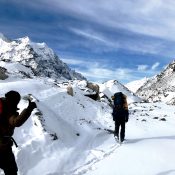
Trekking in winter in Nepal offers stunning snow views, clear skies, and fewer crowds. Routes like Poon Hill or Everest Panorama shine in the cold season. However, many trekkers face risks due to common errors. Avoid these 10 mistakes while trekking in winter in Nepal to stay safe and enjoy your trip.
1. Not packing enough warm clothes
Cold temperatures can cause hypothermia or frostbite quickly. So, pack multiple layers, insulated boots, thick gloves, and a warm down jacket. Choose a sleeping bag rated for very low temperatures to stay comfortable at night.

Source : Hungry Hiker
2. Ignoring weather changes
Storms and snow can hit fast in the Himalayas. Therefore, always check weather forecasts daily and be ready to turn back if conditions get bad.

3. Forgetting eye protection
Since bright snow reflects strong sunlight and can cause painful snow blindness. Wear UV-protected sunglasses or goggles every day on the trail.

4. Underestimating avalanche dangers
Heavy snow buildup raises avalanche risks on high passes. Stick to guided paths, read daily reports and avoid risky slopes.

Source : Vox
5. Not drinking enough water
Cold weather hides thirst signals but dehydration affects energy and health. Drink warm fluids regularly and carry high-energy snacks to keep going.

Source: Trek the Himalayas
6. Skipping acclimatization
Altitude sickness can happen even in winter due to thin air. So, ascend slowly, include rest days, and watch for symptoms like headache or nausea.

7. Carrying too much weight
Heavy backpacks make you tired faster on slippery snow. Therefore, pack only essentials or hire a porter to carry extra gear.

8. Trekking without a guide
Fresh snow often covers trails and makes navigation hard. However, a local guide knows the routes, weather signs and emergency steps for safer trekking in winter in Nepal.
9. Exposing skin to cold
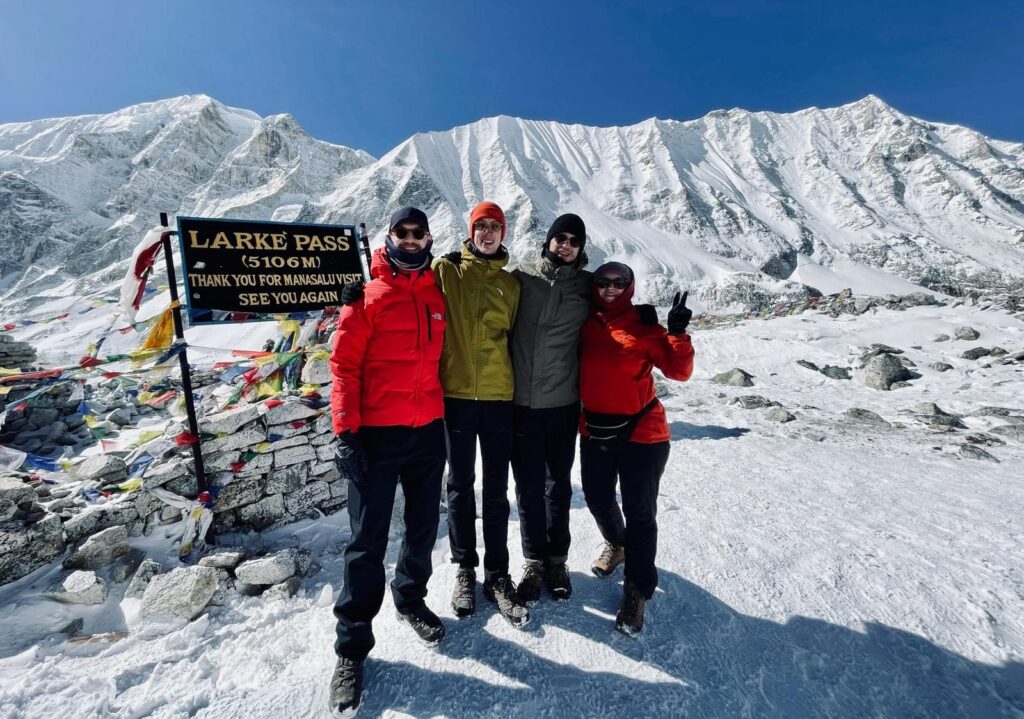
Bare skin freezes fast in wind and low temperatures. Hence, cover every part of your body and use hand or foot warmers on very cold days.

10. Lacking physical preparation
Snow and ice make every step harder and more demanding on your body. Train months ahead with cardio workouts like running or hiking, plus strength exercises for legs and core, to handle tough trails during trekking in winter in Nepal.
Trekking in winter in Nepal can be rewarding if you prepare well. Prioritize safety and consider joining a guided tour. For more tips, check our guides on best winter treks in Nepal with Navigate Outdoor. Stay safe on the trails!