

Hiking in Nepal is unlike any other adventure. The towering peaks of the Himalayas, crisp mountain air, and rugged trails draw adventurers from around the world. But what does it take to conquer these paths? Is it the mental game of staying focused and resilient, or is it the physical endurance to push through grueling ascents? This article explores the balance between mental fortitude and physical stamina required for Nepal hiking, offering insights for trekkers preparing for this unique challenge.

The Mental Game of Hiking in Nepal
Hiking in Nepal tests your mind as much as your body. The high altitudes, unpredictable weather, and long days on the trail demand mental resilience. For example, on treks like the Everest Base Camp, altitude sickness can cloud your judgment, making every step a battle of willpower. Staying calm under pressure is crucial. Trekkers often face moments of self-doubt, especially when exhaustion sets in. Building mental strength through visualization, goal-setting and mindfulness can make all the difference. Imagine reaching a summit and seeing the sunrise over Annapurna. That mental image can push you forward when your legs want to quit.
Another key aspect of the mental game is preparation. Researching routes, understanding the terrain, and anticipating challenges like river crossings or steep inclines help you stay focused. Talking to experienced trekkers or joining a guided group can boost confidence. On the trail, staying present and breaking the journey into smaller milestones keeps overwhelm at bay. Nepal hiking rewards those who can master their mindset.
Physical Endurance: The Body’s Role
While mental strength is vital, physical endurance is the backbone of Nepal hiking. The trails, like those in the Langtang Valley or Manaslu Circuit, demand strength, stamina and adaptability. A typical day might involve six to eight hours of walking, often at elevations above 4,000 meters. Your body needs to handle low oxygen levels, uneven terrain and heavy backpacks. Cardiovascular fitness is essential, so training with activities like running, biking or stair climbing is a great start. Strength exercises, such as squats and lunges, prepare your legs for long ascents and descents.
Nutrition and hydration also play a big role. Eating high-energy foods like nuts, dried fruits, and local dal bhat keeps you fueled. Staying hydrated at high altitudes prevents headaches and fatigue. Before your trek, build endurance with practice hikes carrying a loaded backpack. This prepares your body for the physical demands of Nepal’s trails. Rest days, built into most trekking itineraries, allow recovery and help prevent burnout.
Mental Game vs. Physical Endurance: Finding Balance
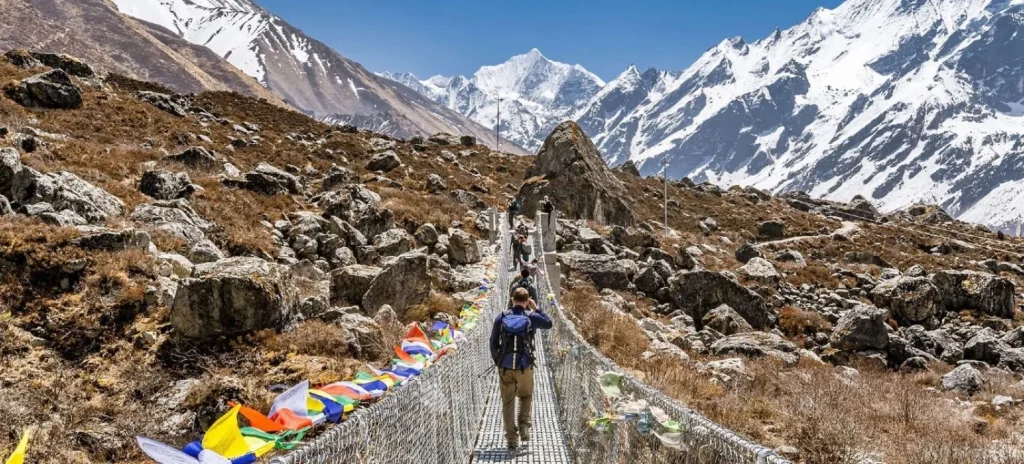
So, which matters more: the mental game or physical endurance? The truth is, hiking in Nepal requires both. A strong body without a resilient mind will struggle when faced with unexpected challenges, like a sudden snowstorm or a tough climb. Similarly, a determined mindset won’t get you far if your body isn’t conditioned for the effort. The key is balance. Train your body with consistent exercise, but also practice mental techniques like meditation or positive self-talk. For instance, trekkers on the Annapurna Circuit often use mantras to stay focused during tough sections.
Experienced trekkers suggest a holistic approach. Start preparing months in advance. Combine physical workouts with mental exercises, like journaling your goals or visualizing success. On the trail, listen to your body and mind. If you’re tired, take a break. If you’re anxious, pause and breathe deeply. Nepal hiking is as much about harmony between mind and body as it is about reaching the destination.
Practical Tips for Hiking in Nepal
Here are some actionable tips to prepare for the mental and physical demands of hiking in Nepal:
- Train Smart: Aim for 3-4 cardio sessions per week, plus strength training. Practice hiking with a backpack to simulate trail conditions.
- Build Mental Resilience: Try mindfulness or meditation apps to stay calm under pressure. Set small, achievable goals during training.
- Pack Light but Smart: Carry essentials like a good pair of boots, a water purifier, and layers for changing weather.
- Learn from Locals: Sherpas and guides offer invaluable advice. Respect their knowledge and follow their lead.
- Stay Safe: Check weather forecasts and altitude sickness symptoms. Always trek with a buddy or guide for safety.
Conclusion
Hiking in Nepal is a journey that tests both your mental game and physical endurance. The Himalayas demand respect, preparation, and balance. Whether you’re navigating the mental challenges of high-altitude trekking or building the stamina to conquer steep trails, success comes from uniting mind and body. With the right preparation, Nepal’s trails offer not just a physical adventure but a transformative experience. So, lace up your boots, clear your mind, and take on the challenge of Nepal hiking.


